

Dedicated to Developing Responsible Herbal Practice
Established in 2002 by Susan Wynn, DVM, CVA, CVCH, AHG

A'ALI'I
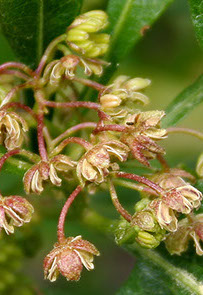
Dodonaea visosa, Wikipedia
COMMON NAME: A'ali'i
LATIN NAME: Dodonaea visosa
AKA: hop bush, soapwood, switchsorrel, wedge leaf
Common Name: ‘A’ali’i, Dodonaea visosa; hopbush, soapwood, switchsorrel, wedge leaf
Family: Sapindaceae
Part Used: Leaves but also bark and roots
Active constituents: Phytosterols, protein, rutin, saponins, stearic acid; tannins ;beta-sisterol; hyperin; linoleic acid, oleic acid and palmitic acid; some
resins
Actions: Analgesic; anodyne; anthelmintic, antibiotic; antiHIV; antimicrobial;antiseptic; antispasmodic; antitumor; antiviral; astringent; bactericide;
candidicide; carminative; dentifrice; diaphoretic; febrifuge; fungicidal; hemostatic; hypotensive; lactogogue; myorelaxant; odontalgic; panacea;
poultice; sedative; purgative; spasmolytic, stimulant; styptic; sudorififc; tonic vulnerary
TCM: expels wind damp; 2. Clears Damp Heat; 3. Calms internal wind
Indications: Stingray wounds, stings, snakebites; bleeding; topical for wounds, abscesses, boils, rash itching. Burns and scalds, eczema, fungus. Stomach
problems with gas, cramps, colic and hemorrhoids, sore ears, tooth aches, sore throats; fevers, strep throat; influenza, Candida; rheumatism and gout, sprains, bruising, cramps; insomnia; infertility; SACRED TO LAKA, goddess of hula; protects against supernatural forces.
Cautions: One source said it harmed camels and killed calves????; very safe topically but internally plant contains some cyanogenic toxins
Contraindications: Mildly toxic; external use; limited use if chew on leaves for tooth or stomach ache.
Herb Drug Interactions: None found, avoid with any cyanogenic food or drug.
Dosage (use animal doses where available, otherwise human doses can be included here but specify): As needed; very safe topically
Notes: Indigenous herb
Property: astringent, cool to cold
Primarily used as a topical wash or poultice. It is reported to be used to make beer in Australia. Seeds are said to be edible. Fruit makes a red dye. Used as a control for ulu, a pest of the coca plant; seed oil is used to make soap; Masai use the stems as a toothbrush; materials in the fruit are used to stun fish.
Research: antiseptic; antibacterial against Staph and Strep; relaxes smooth muscles through interference with Calcium metabolism.