
Dedicated to Developing Responsible Herbal Practice
Established in 2002 by Susan Wynn, DVM, CVA, CVCH, AHG

ALBIZIA
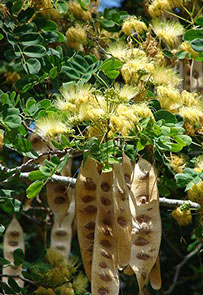
Albizia lebbeck, Forest & Kim Starr
COMMON NAME: Albizia
LATIN NAME: Albizia lebbeck
AKA: Siris, siris tree, albizzia, pit shirish, Lebbek Tree, Flea Tree,
Frywood, Koko, Woman's tongues Tree
Common Name: Albizia, Albizia lebbeck L.; AKA Siris, siris tree, albizzia, pit shirish, Lebbek Tree, Flea Tree, Frywood, Koko and Woman's tongues Tree.
Family: Fabaceae
Part Used: Stem bark, leaves and seeds; flowers also used
Active constituents: Saponins, cardiac glycosides, tannins, flavonoids(albiziasaponins A, B and C, epicatechin, procyanidins and stigmastadienone)
Actions: Antiallergic, antimicrobial, anticholesterolemic; antiseptic, antidysenteric, antitubercular; psychoactive-GABA stabilization, astringent, antioxidant, antifungal and antibacterial actions, antispasmodic effect on smooth muscle, positive inotropy and an immunostimulant effect
Indications: common use for asthma , allergy and eczema. Asthma, allergic rhinitis, eczema, urticaria, high cholesterol, mast cell tumors, memory enhancer; nervous behavior, hemorrhoids. Leaves are nutritious and palatable and used as fodder.
Cautions: May have slight antifertility effect in males, may slightly depress T and B lymphocytes
Contraindications: Possibly when trying to conceive
Herb Drug Interactions: Synergistic with inotropic heart medications and possible synergistic effects with mast cell stabilization drugs; Tricyclic and selective serotonin reuptake inhibitor antidepressant drugs: Increased risk of serotonin syndrome is theoretically possible, as albizia increases serotonin levels, according to in vivo studies — observe patient.. may have added effect with barbiturates
Dosage (use animal doses where available, otherwise human doses can be included here but specify): Human: Dried herb:3-20 g TID; Tincture: 1:2 or 1:3: 1-5 ml TIDSmall animal: Dried herb: 25-200 mg/kg divided TID; Tincture: 1:2-1:3: 0.5-1.0 m; per 20 lbs.
Notes: Common throughout India; used as ornamental tree elsewhere
Energetics: cooling, dry
Historically: used for bronchitis, leprosy, paralysis, and helminth infection-used by Ayurvedic physicians; also for inflammations of the eye and gingivia, used as a pectoral tonic and to treat abdominal tumors.
Published research: uses opioid system to help diarrhea; significant effect on mast cells and inhibit early sensitization and synthesis of reaginic-type antibodies; seen in vitro and in vivo include antioxidant, antifungal and antibacterial actions, antispasmodic effect on smooth muscle, positive inotropy and an immunostimulant effect; different fractions of the herb have different effects on the neurotransmitters; shown to decrease brain concentrations of GABA and dopamine and increased serotonin; yet another fraction increased the level of GABA and serotonin; shown to have anticonvulsant activity.