

Dedicated to Developing Responsible Herbal Practice
Established in 2002 by Susan Wynn, DVM, CVA, CVCH, AHG

ALUM ROOT
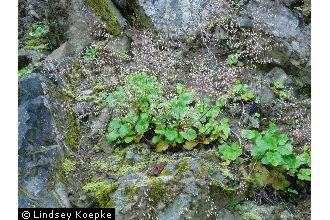
Heuchera glabra, USDA
COMMON NAME: Alum Root
LATIN NAME: Heuchera glabra
AKA: Mountain Saxifrage
Common Name: Alum root, Heuchera glabra, Heuchera micrantha, Heuchera chorantha, etc. ; Mountain Saxifrage
Family: Saxifragaceae
Part Used: Tannin, phlebotannins, polyhydric phenols, with galloyl glucosides.; Hs-AFP, anti-fungal plant defensin
Active constituents: Polysaccharides, glucomannan, acemannan, mannose derivatives; amino acids; lipids, sterols and enzymes; Aloe resins-hydroxypanthrone derivatives of aloe emodin
Actions: Astringent, anti-ulcer, hemostatic, analgesic
Indications: Diarrhea, stomachache/ulcer pain; douches as a weak tea for vaginitis; powder is a great hemostatic; Mouthwash for sore mouth, gums and throat; eye wash for sore eyes; poultice of raw mashed root for snakebite; testicle inflammation; mashed leaves for saddle sores
Cautions: None found.
Contraindications: None found.
Herb Drug Interactions: None found.
Dosage (use animal doses where available, otherwise human doses can be included here but specify): Human: Fresh root tincture: 1:2: 30-60 drops four times a day; Dry root tincture: 1:5: 50 %alcohol, 40 % water; 10 % glycerin; Cold Infusion: 1-2 fluid ounces up to four times a day, internally; for a douche or enema, 4 fluid ounces, with a cup of warm water; for a first aid tincture add an equal part of a strong antimicrobial plant tincture that is not alkaloidal, such as Lomatium, Usnea, Yerba Mansa, White Sage or California Snakeroot. The High levels of astringent phenols in Alum Root with bind and precipitate out alkaloids in plants like Oregon Grape root. No problems if using powdered root.
Notes: A pretty little plant. The leaves are basal, in the west, middle to high mountain plant, needing much moisture, shade, and rich mulch. In the southern more states, it is found admixed with Valerian, as they both share identical niches in the environment.
Native Use: Use for diarrhea, powder on ulcers, bad sores; infusion of root for immoderate flow of menses; root also taken as a tonic; root chewed and juice swallowed for stomach pain; decoction of root used as a wash for eyes; chewed for sore gums; used to make a picking tan dye (stems); roots chewed for stomach cramps; decoction of roots for aching bones; and tuberculosis; roots mixed with puffball spores for diaper rash; infusion of root for liver troubles; Poultice of mashed, raw root applied to snakebites (Arapaho used on horses); added to dye baths to set colors; used for inflammation of testicles from syphilis; steamed leaves dried and stored; boiled or steamed leaves eaten in spring; decoction of root taken for internal pain; use pain of passing placenta; infusion of root used as a lotion for venereal disease; mashed boiled leaves used as a wash for horses’ saddle sores; soaked roots given to horses and cows for cramps; infusion of root given to horses for respiratory troubles.
Michael Moore: Gather the leaves and roots in August and September, the roots as late as November. Scrape off the dark chaff on the roots, and after they have partially wilted, slice the roots into thin cross-sections and finish drying. Bundle the leaves to dry. Leaves; dried last at least a year; roots at least two years. When used for diarrhea, it is very useful especially when combined with an antispasmodic like Silk Tassel, Peony root, o Angelica, and an intestinal antimicrobial like Usnea, Oregon Grape Root or Balsam Root. The powdered root is a very soothing dust for chafing and blistering and along with Bistort root is our best hemostatic, stopping bleeding quickly and helping to prevent infection. The dried leaf or root slices can be added to pickled fruits and vegetables to keep them crisp and colorful.
Ellington: Specific as an alterative in syphilitic affections of the eyes; In glaucoma, in iritis, in ophthalmia, in cataract from syphilitic causes, our doctors have had the most marked results from the use of this remedy. The agent is an active diuretic and an excellent tonic, as well as possessing active alterative or antiscorbutic properties.