

Dedicated to Developing Responsible Herbal Practice
Established in 2002 by Susan Wynn, DVM, CVA, CVCH, AHG

ANDROGRAPHIS
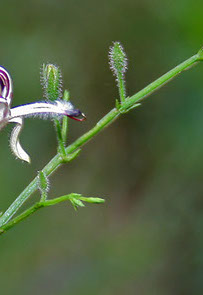
Andrographis paniculata, J.M. Garg
COMMON NAME: Andrographis
LATIN NAME: Andrographis paniculata
AKA: Chuan Xin Lian. Penetrate the heart lotus; creat; Hindu: Kalmegh; Sanskrit: Bhunimba
Common Name: Andrographis, Andrographis paniculata; Chuan Xin Lian. Penetrate the heart lotus; creat; Hindu: Kalmegh; Sanskrit: Bhunimba
Family: Acanthaceae
Part Used: Leaves, aerial parts ; roots can also be used
Active constituents: Bitter diterpenoid lactones, andrographolides, andrographolide (AP1), 14-deoxy-11,12-didehydroandrographolide (AP3) and neoandrographolide (AP4), also diterpenoid glucosides, diterpene dimers, flavonoids and xanthones.
Actions: Heat Clearing and Toxin EliminatingImmunomodulating- both immune stimulant and immune suppresive and may be useful in autoimmune disease. Anticancer, Antimicrobial, Antimalerial, Cardiovascular effects, Hypoglycemic Antiplatelet and antithromobtic activity; antivenin, abortifacient/antifertility, anthelmintic, Hepatoprotective/antihepatotoxin; Bitter tonic, Digestive stimulant/choleretic, cholagogic; antibacterial; Antipyretic and anti-inflammatory; antioxidant; anti-inflammatory effect.
TCM Actions: 1. Clear Heat and Eliminates Toxins; 2. Dry up Damp
Indications: Upper respiratory tract infections, rhinitis, nasosinusitis; Cough, sore throat; Liver disease, Cancer (in combination with other herbs) Lung cancer metastasis, Smoke damage to lungs , diarrhea or dysentery due to damp heat dysuria syndrome; eczema, skin sores and carbuncles, or snake bite, Leptospirosis. The herb is traditionally given as a restorative and tonic in convalescence and used as a choleretic to stimulate bile production and flow, which improves appetite and digestion/ fertility control; non-specific immune stimulant, hepatoprotectant; heartworm; bone protective effect.
Contraindications: Generally well tolerated, but high doses may cause vomiting, anorexia and gastrointestinal discomfort; large doses and long term consumption may injure Stomach Qi. ; do not use if Spleen Qi deficient; Use will caution during pregnancy, because of abortifacient effect.
Herb Drug Interactions: No reported drug interaction; only theoretical concerns with anti-coagulants, antihypertensive, immunosuppressant, and hypoglycemic.
Dosage (use animal doses where available, otherwise human doses can be included here but specify): Human: Prevention dose :1200–3000 mg andrographis or 4–6 mL of 1:2 liquid extract, daily in divided doses, taken for at least 3 months for preventive effects to become established. Treatment dose for infection: 1200–6000 mg/day or fluid extract (1:2): up to 12 mL/day. Small animal: Dried herb: 25-300 mg/kg; divided daily; standardized tablets: ¼-9 divided; Infusions: 2.5-10 g per cup, ¼-1/2 cup per 10 kg divided ; Tincture: 1:2-1:3: 0.5-1.5 ml per 10 kg divided daily; Horse and Cattle 60-120 g; Llamas, Alpacas, Goats, sheep, and pigs: 20-60 g; dogs: 2-10 g; Cats and rabbits: 0.5-3 g; Birds: 0.3-3g
Energetics: bitter and cold
Channels entered: Lung, Stomach. Large Intestine: Small Intestine
Ayurvedic properties: Bitter, Light, dry; hot; Pacifies: Kapha and pitta
WHO: used for dysentery, bronchitis, carbuncles, colitis, cough, dyspepsia, fever, hepatitis, malaria, mouth ulcers, tuberculosis, venomous snakebites, otitis media, vaginitis, eczema, and burns.
Wynn and Fougere: The juice of the stem and whole plant is used to treat diarrhea, Newcastle’s disease, and respiratory problems in poultry.
Dabur Research Foundation: Treats datura poisoning, maggots, in wounds, worms in the eye and abdomen, liver fluke, glossitis, holes in the hard palate, constipation, tuberculosis, pneumonia, leeches in the nostrils, contagious abortion, and retention of placenta, tetanus and scabies. Traditionally used for liver disorders and jaundice; general debility and dyspepsia, and a tincture of the root as a tonic, stimulant and aperient. The leaves and roots are used as an antispasmodic, febrifuge, stomachic, alteration anthelmintic, anodyne, antiseptic, laxative, astringent and antipyretic to treat diabetes, malaria, cholera, dysentery, enteritis, gastritis, pneumonia, pyelonephritis, and even rabies. For centuries as a household remedy for jaundice and fevers, especially the intermittent type. It is in over 50% f the herbal formulas in India for the treatment of Liver ailments.
Research: Published research support for prophylaxis and treatment of upper respiratory tract infections, common cold, sinusitis, bronchitis, pharyngotonsilitits, lower UTI, and acute diarrhea. The hepatoprotective activity, treatment led to complete normalisation of toxin-induced increases in the levels of key biochemical parameters, and significantly reduced toxin-induced histopathological changes to the liver. the hepatoprotective effect of andrographolide is at least comparable and possibly more potent than that of silymarin, from the herb St Mary’s thistle; increases liver superoxide dismutase, glutathione peroxidase, glutathione reductase and catalase concentrations, thereby increasing endogenous antioxidant production by the liver. A hepatocyte cell-membrane-stabilising activity has also been observed; significant dose-dependent increase in bile flow and in bile salt and acid production. It is often used in combination with aromatic herbs, such as peppermint, for stronger digestive effects and to prevent gastrointestinal discomfort at higher doses; stimulated antibody production, killed microfilaria of Dipetalonema reconditum; limit myocardial ischemia and reperfusin injury and exert protective effects on reversible ischemia; weak fibrinolytic action; cessation of spermatogenesis; potent inhibitor of breast cancer-induced bone metastasis; against promonocytic leukemia cells in combination with small molecules that directly activate procaspase-3 to caspase-3; preventive benefits in Cigarette Smoke-induced inflammatory lung diseases; possess larvicidal activity against two selected mosquito species, hence, could be utilized for developing flavonoid-based, eco-friendly insecticide as an alternative to synthetic insecticides; treatment of osteoclast-related bone diseases; antiangiogenesis and chemotherapeutic potential of andrographolide may provide a cure for pulmonary tumors in the future; inhibits TPA-induced cell migration and invasion by reducing MMP-9 activation, which is mediated mainly by inhibition of the ERK1/2 and phosphatidylinositol 3-kinase/Akt signaling pathways and subsequent AP-1 and NF-κB transactivation. Additionally, induction of HO-1 expression is at least partially involved in the inhibition of TPA-induced MMP-9 activation and cell migration in MCF-7 cells by AP.