

Dedicated to Developing Responsible Herbal Practice
Established in 2002 by Susan Wynn, DVM, CVA, CVCH, AHG

ARNICA
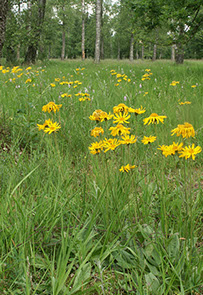
Arnica montana, Bernd Haynold
COMMON NAME: Arnica
LATIN NAME: Arnica montana
AKA: Wolf's Bane, Leopard's Bane
Common Name: Arnica, Arnica montana, Wolf’s bane, leopard’s bane
Family: Compositae
Part Used: Flower
Active constituents: Sesquiterpene lactones; of the pseudoguaianolide type: helenalin and their esters; flavonoids, and essential oils. There is also a saturated necine base pyrrolizidine alkaloid. (Safe one)
Actions: Topical-Anti-inflammatory; antiecchynotic; analgesics, antimicrobial; (Fyfe)-stimulant, diaphoretic, diuretic, emmonagogue and narcotic
Indications: Topical treatment for sprains, bruises, aches, inflammation including insect bites; heal wounds; superficial phlebitis, rheumatic pain; swellings due to fractures. Internally as a homeopathic remedy for any condition from trauma or overexertion, cardiac deficiency, palpitations, concussions, collapse; high blood pressure; blood poisonings; threatened miscarriage and postpartum conditions; traumatic calvings (any species) and down cows; teat traumas; relieve venous congestions; mental fears or hopelessness after concussion; vertigo with head feeling too large (hot head, cold body); traumatic ocular ulceration with hemorrhage into anterior chamber; epistaxis during typhoid fever; fetid breath with black tongue, dry with red stripe down the center;; car sickness; diarrhea of offensive, brown, bloody, putrid, involuntary (even during sleep) or constipation especially after a blow to the epigastrum; bladder affections after mechanical injuries; prolapsus of vagina cased by concussion; asphyxia neonatorum; asthma; violent and spasmodic cough with facial herpes; pleurisy after mechanical injuries with hemorrhage and pneumothorax; sudden heart pains radiate toward L elbow; paralytic in all joints during motion, as if bruised; weary and tension in legs and arms; skin eruptions-hot red and edematous from insect strings; varicose ulcers.
Cautions: Topical use only; homeopathic dose internally. Generally safe externally but prolonged use may irritate the skin causing eczema like symptoms. Do not use on broken skin. Avoid if allergic to herb. Overdose-causes dizziness, tremors, heart irregularities. Can irritate Mucous membrane-vomiting.
Contraindications: Note for internal use: High risk of damage to the fetus if taken internally; not for internal use during breastfeeding
Herb Drug Interactions: Anti-coagulant: theoretical
Dosage (use animal doses where available, otherwise human doses can be included here but specify): Humans: Topical: a 1:10 tincture in 70% ethanol; creams and ointments: 20-25% tincture or a maximum of 15% arnica oil made from one part dried arnica flower head and five parts vegetable oil; compresses: tincture diluted 3-10 times with water; Poultices: tincture diluted 3-10 times with water; mouthwash: tincture diluted 10 times with water (Do not swallow). Animals: watch they are not consuming any of the topical ointments.
Notes: Perennial native in mountains. Inhibits the activation of NF-kappa-B.
Energetics: Sweet, bitter and pungent-restoring, relaxing, stimulating
Historically: Scudder used it internally as a fraction of a drop: It is a specific stimulant to the spinal nervous system, and will be found useful where there is want of innervation from this…where there was feeble respiratory power, difficulty of sleeping from impeded respiration; want of control over the excretion of urine and feces; evidences of impairment of spinal innervation. Useful in cases of lame back where there is feebleness, with deficient circulation; treatment of pneumonia cases that are asthenic with an enfeebled circulation.
Published research: Arnica 30cH protects against hepatic mitochondrial membrane permeabilization induced by Ca(2+) and/or Fe(2+)-citrate-mediated lipid peroxidation and fragmentation of proteins due to the attack by reactive oxygen species. It is being studied as a treatment for Alzheimer’s disease for its inhibition of acetylcholinesterase (AChE). Studies that show that helenalin mediated autophagic cell death, through inhibition of NF-κB p65, thus providing a promising approach for the treatment of cancers with aberrant activation of the NF-κB pathway. A study showed that Arnica 30 C helped repair the DNA damage through up-regulation of repair genes and also ameliorated the oxidative stress through the reduction of ROS generation and suitable modulation of anti-oxidative stress enzymes. A study showed that Arnica was effective and economical in the management of mastitis in lactating dairy cows also was 96.7 % effective in cases of fibrotic mastitis. Udder edema and blood in milk responded favorably in 2-5 days. Another study showed that A. montana and A. officinalis were effective as topical medications in periodontal prophylactics.
Felter: (Death can be caused by 2 oz. of tincture) Arnica is a stimulant of great power in anemia with weak heart and capillary feebleness and marked depression, diarrhea and dropsy.; relieves heart strain due to exertion and heart debility from severe strain or worry.; lumbago.
Fyfe: efficient remedy for paralysis of optic nerve; in low forms of typhoid fever, diarrhea and dysentery. Indications: Shortness of breath from intercostal pain; bruises from blows and falls; acute superficial inflammations, as in boils; diseases characterized by debility, topor and inactivity; prostration resulting from injuries; any condition showing depression.