

Dedicated to Developing Responsible Herbal Practice
Established in 2002 by Susan Wynn, DVM, CVA, CVCH, AHG

ASTRAGALUS
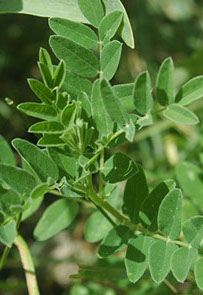
Astragalus membranaceus, Doronenko
COMMON NAME: Astragalus
LATIN NAME: Astragalus membranaceus
AKA: Milk vetch, Huang Qi, locoweed
Common Name: Astragalus, Astragalus membranaceus (Fisch. Ex Link), milkvetch, Huang Qi, locoweed
Family: Fabaceae
Part Used: Root, mature 3 plus years; (seed is used as a yang tonic)
Active constituents: Triterpene saponins, astragalosides I-X and isoastragalosides I-IV) and polysaccharides
Actions: Immune enhancing, tonic, cardiotonic, diuretic, hypotensive; antiviral, anti-inflammatory, hypothyroid (mildly depresses thyroid function), alterative, digestive tonic.
TCM actions:
1)Tonifies Qi and raises Yang; spleen qi deficiency; inability of qi to control blood circulation; prolapse of organs;
2) tonifies Wei Qi, consolidates the Exterior;
3) Promotes the discharge of pus and generates Flesh;
4) regulates water circulation, reduces edema;
5) relieves Numbness and pain;
6) Treats Xiao Ke syndrome-wasting and thirsting-tonifies qi, promotes generation of body fluids
Indications: Fatigue and tired extremities, loose stool or diarrhea; hematemsis, leakage of blood; prolapse of organs; spontaneous perspiration and night sweating, palpitations and insomnia, cancer, it is and adjunctive therapy to strengthen the immune system and to reduce the side effects of chemotherapy or radiation therapy, used as a tonic with Immune deficiency viruses; prevent of Lyme Disease; sudden collapse; chronic non-healing ulcers and sores; edema due to qi deficiency; chronic nephritis with edema and proteinuria; post-stroke complications; prevents recurring infections, helps with recovery phase in chronic fatigue syndromes; early heart failure, congestive heart failure; chronic wounds, ageing, with geriatric support; renal failure
Cautions: Use with caution if pattern of dryness or if Liver Hyperactive Yang; Safe in pregnancy and lactation.
Contraindications: None known; In TCM: excess type Exterior Wind, Heat toxin type. Excess Heat Patterns, Deficient Yin with Heat signs
Herb Drug Interactions: Potential to reduce the effectiveness of cyclophosphamide, but other reports claim it enhances effects.
Dosage (use animal doses where available, otherwise human doses can be included here but specify): Human: Dried herb: 3-10 g TID; Infusions: 5-30 g per cup, 1 cup TID; Tincture:1:2-1:3-1.5-5 ml TID Small animal: Dried Herb 50-400 mg/kg divided daily; Decoction: 5-30g per cup ¼-1/2cup per 20lbs divided; Tincture: 1:2-1:3: 1.0-2.0ml per 10 kg. divided daily Horses and Cattle: 20-60 g; Camels: 30-80 g; llamas, alpacas, goat, sheep and pigs: 5-15 g; dogs: 3-10 g; cats: 1-2 g; rabbits: 0.5-1.5 g; birds: 0.3-2 g
Notes: Indigenous to China, Korea, Mongolia and Siberia
Energetics: Sweet and slightly warm
Channels entered: Spleen and Lung
Affinities: Immune system, lungs, liver, heart, kidneys, thyroid, digestive tract.
Preparation: Tincture or infusion.
The seed of Astragalus complanatus, Sha Yuan Zi, is used as a Yang tonic in TCM; it is sweet and warm, enters the Kidney and Liver; it tonifies the Kidney and consolidates the Jing, holds the leakage of fluids; nourishes the Liver and brightens the eye, helps with blurred vision; dose in humans is 10-20 grans in decoction
Note of interest: While there is a growing belief among herbalists, botanists, and medical researchers that North American Milk Vetch (Astragalus americans – a common weed), may have similar medicinal attributes and may even be the exact same plant as A. membranaceous; the medicinal astragalus of commerce.
Specific Uses: Astragalus is especially useful for strengthening the body against viral infections of the respiratory tract and heart through stimulation of killer-cell activity and interferon production in the body, and it imparts direct antibacterial and anti-inflammatory qualities to this effort as well. This makes astragalus a viable option for early treatment of various forms of respiratory infection, including kennel cough, although Echinacea works very well. While astragalus works to stimulate T-cell activity and helps to raise white blood cell counts, it also boosts the body’s defenses through its liver-strengthening attributes. The saponins constituents were shown to enhance DNA synthesis in the liver; also useful for helping the body protects it and speed recovery from the damaging effects of long term steroid therapy. Astragalus is known to strengthen kidney circulation, making it useful in early stages of kidney infection and/or renal failure It has marked potential for kidney disease. It is one of the most commonly prescribed herbs for chronic kidney disease- astragalus decreases glomerular hyperperfusion and improves kidney functio; decreased proteinuria and increased levels of albumin.; astragalus is traditionally used to boost energy levels in debilitated people and animals, which adds to its promise as a candidate in the treatment of various cancers; especially those which are compounded by depressed immune functions. It is also anticarcinogenic in its own right mediated through activation of cytotoxic activity and the production of cytokines. It can be used to enhance chemotherapy and reduce associated side effects. Astragalus is also known to have antiviral qualities that are specific to infections of the heart (viral myocarditis). It is also useful in cardiovascular disease as a mild ionotrope, and it improves endothelial function by increasing the bioavailability of nitric oxide and decreasing free radical damage.
Recent research: mediated protective effects may involve improving cardiac function, attenuating the oxidative injury via a decrease in MDA, a maintenance in SOD, and a reduction in free radical-induced myocardial cell injury. Additionally, EAM enhanced the myocardial cell viability via arresting the influx of Ca(2+) to block cell death and opening mitochondrial KATP channels to reduce cell apoptosis; protective and perhaps as a therapeutic agent in the management of muscle wasting anti-edema potential of astragaloside IV was correlated with its regulation of MMP-9 and AQP4.