

Dedicated to Developing Responsible Herbal Practice
Established in 2002 by Susan Wynn, DVM, CVA, CVCH, AHG

BAI DOU KOU
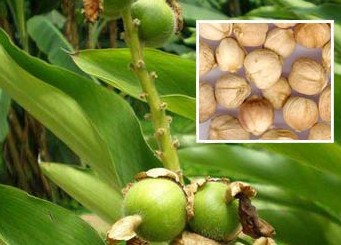
Amomum kravanh, www.tcmfe.com
COMMON NAME: Bai Dou Kou
LATIN NAME: Amomum kravanh
AKA: N/A
Common Name: Bai Dou Kou; Amomum kravanh, amomum; Amomum compactum; white cardamon fruit. (not the western cardamom, Elettaria cardamomum)
Family: Zingiberaceae
Part used: Fruit; collected in the autumn when the fruit turns from green to yellow
Active constituents: Essential oils-cineol, terpineol, pinene, humalene, limonene; saponin, starch
Actions: Anti-emetic; TCM Actions: 1. Regulate Qi, Dissolves Dampness, transforms Damp, strengthens stomach; 2. warms the stomach and relieves nausea; 3. Promotes gastrointestinal functions in chronic renal failure patients
Indications: Epigastric and abdominal fullness, poor appetite; nausea, vomiting, cold in the stomach, (safe for pregnant women and for infants)
Cautions: Not for use in patient with yin or Blood deficiency
Contraindication: None known
Herb Drug interactions: None known
Dose (Human and Veterinary): Human Dose: 3-6 grams; prolonged cooking destroys its effectiveness; should be served immediately, while warm for maximum effect; Horses and Cattle: 15-30 g; Llamas, Alpacas, goats, sheep and pigs: 3-10 g. Cats: 0.5-1 g; Birds and Rabbits: 0.5-1 g
Properties: acrid, warm, aromatic
Channels: Lung, Spleen, stomach
Chen and Chen: Acrid, aromatic and warm, Bai Dou Kou, moves the qi and dissolves dampness from the interior and exterior. Accumulation of Dampness in the interior, or the middle jiao, prevents the Spleen and Stomach from performing their normal transportation and transformation of functions, leading to epigastric and abdominal fullness, distention and poor appetite. Some exterior syndromes, damp-heat febrile disorders, can be complicated by an accumulation of dampness leading to chest congestion, lack of appetite, and a feeling of heaviness.