

Dedicated to Developing Responsible Herbal Practice
Established in 2002 by Susan Wynn, DVM, CVA, CVCH, AHG

BAI ZHU
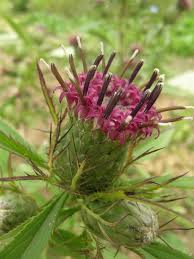
Atractylodes macrocephala
COMMON NAME: Bai Zhu
LATIN NAME: Atractylodes macrocephala
AKA: N/A
Common Name: Atractylodes, Atractylodes macrocephala; Bai Zhu
Family: Asteraceae
Part used: Root (dried rhizome)
Active constituents: Atractylol, atractylone (essential oil), Phytochemicals: 2-furaldehyde, 3-beta-acetoxyatractylon, 3-beta-hydroxyatractrylon, Acetylatractylodinol, Atractylodin, Atractylodinol, Atractylon, Beta-eudesmol, Beta-selinene, Calcium, Copper, Elemol, essential oil Furfural, Hinesol, Iron, L-alpha-bisabolol, Magnesium, Manganese, Potassium, Scopoletin, Sodium, Zinc
Actions: Bitter tonic, digestive, adaptogen, diuretic, mild anticoagulant, diaphoretic, antioxidant; immunostimulant, antidiabetic; TCM: 1. Tonifies Qi, Strengthens Spleen, 2. Dries Dampness, Eliminates Water Accumulation, 3. Stops Spontaneous perspiration, 4. stabilizes pregnancy
Indications: Chronic debilitating disease, shortness of breath, fatigue; chronic gastroenteritis, diarrhea, loose stools, intestinal bleeding, decreased food intake, blood deficiency ; stress, edema, cough with clear sputum, accumulation of phlegm; dizziness, vertigo, palpitations; spontaneous perspiration; restless fetus with unstable pregnancy; (in humans, Meniere’s disease); chronic back and leg pain; hepatic disorders with Sp Qi deficiency; night blindness
Contraindication: The herb has shown hypoglycemic; not to be used as sole herb in yin deficiency or Qi stagnation.
Herb Drug interactions: Use with caution if on concurrent anticoagulants; omeprozole-potential; very theoretical-diuretics.
Dose (Human and Veterinary): Human Dry Herb - 6 to 12 g per day. Extract - 25 to 50 mL per week (1:2) Decoction 3-15g; Small animals: Dried herb: 25-200 mg/kg divided; Decoction: 5-30 g per cup. ¼-1/2 cup per 10 kg divided; Tincture: 1:2-1:3: 0.5-1.0 ml per 10 kg divided; Horses and Cattle: 20-60 g; Camels: 30-90 grams; Llamas, Alpacas, Goats, Sheep, and Pigs: 10-15 g; Dogs: 3-10g; Cats: 1-2 g; Rabbits: 0.5-1.5 g; Birds: 0.3-2 g.
Energetics: Bitter Sweet and Warm
Channels: Spleen, Stomach
Research: hypoglycemic effect, anti-viral effect; counteracts RBC Hemolysis through self-oxidation combined with clear active oxygen free radicals; can increase WBC in leukopenia due to chemotherapy or radiotherapy.
Dr. Xie: The raw herb is best for resolving Damp. The fried fest for tonifying Spleen Qi; carbonized for stopping diarrhea; Cang Zhu is used mostly for diaphoresis and drying Dampness; Bai Zhu is used when Spleen Qi is weak but Dampness is not predominant.