

Dedicated to Developing Responsible Herbal Practice
Established in 2002 by Susan Wynn, DVM, CVA, CVCH, AHG

BAICAL SKULLCAP
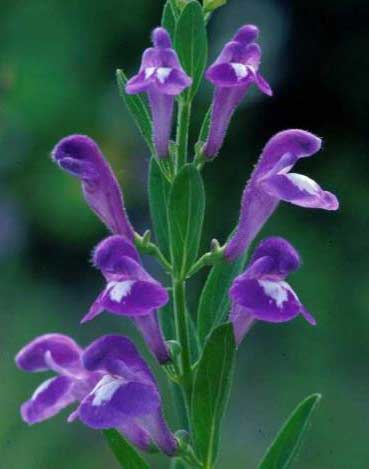
Scutellaria baicalensis, Doronenko
COMMON NAME: Baical Skullcap
LATIN NAME: Scutellaria baicalensis
AKA: Chinese skullcap, Huang Qin,
Common Name: Baical skullcap, Scutellaria baicalensis, Chinese skullcap, Huang Qin; similar but different from S.laterifolia
Family: Lamiaceae
Part used: root
Active constituents: Flavonoids baicalein and baicalin, plus wogonin ; stigmasterol, amino acid; tenaxin, Bitter cold
Actions: Clear heat, dry dampness. Antiallergic, anti-inflammatory , anticancer , anxiolytic, mild sedative, hepatoprotective, neuroprotective, anticoagulant, antimicrobial, aldose reductase activity (can help prevent cataracts in diabetes); hypotensive, diuretic,
TCM Actions (Xie): 1. Clear Heat and dry dampness; 2. Drain Fire and release toxins; 3. Stop bleeding; 4. Calm the fetus; 5. Sedate ascendant Liver Yang
Indications: Fever, thirst, cough and expectoration of thick yellow phlegm. For diarrhea, dysentery and painful urinary dysfunction; inflammatory skin diseases, cancers; Damp heat of Jaundice and hepatitis; Hemorrhage due to heat in the blood; vomiting with blood, epistaxis, hematuria, uterine bleeding; threatened miscarriage, restless fetus; Classical allergy, particularly asthma and allergic rhinitis; chronic inflammatory conditions, Autoimmune disease, hypertension, atherosclerosis, anxiety, MRSA; Long term with licorice for prevention of diabetic complications.; liver fibrosis, cerebral hemorrhage, ischemic renal injuries
Contraindications & Herb Drug interactions:
Traditionally it was contraindicated in “cold” conditions; cold of Stomach and Spleen; may counteract Moutan, Mu Dan Pi and Veratrum , Li Lu. Synergistic antibiotic effect with beta-lacuam antibiotics to treat MRSA
Dose (Human and Veterinary): Human: 2-6 grams root or 4-12 ml per day of the 1:2 fluid extract; Small Animal: dried herb: 25-300 mg/kg divided daily; Decoction: 5-30 g per cup; ¼-1/2 cup per 10 kg divided daily; Tincture: 1:2-1:3: 0.5-1.5 ml per 10 kg divided daily; Horses and Cattle: 20-60 g; Camels: 30-100 g; Llamas, Alpacas, Goats and sheep: 5-15 g: Dogs: 2-5 g; cats and rabbits: 0.5-2 g; Birds: 0.2-2.5 g
Notes: Native to China
Energetics: cold, bitter
Channels: Lung, Gallbladder, Stomach, LI
Xie:
Original reference: Shen Nong’s Materia Medica: grown in the provinces of Hebei, Shanzi, and Inner Mongolia; collected in the spring or autumn, dried in sunlight, and sliced; raw herb is used to calm the fetus; fried herb to stop bleeding; fried with wine to treat Heat in Upper Burner; used with Houttuynia, Yu Xing, Cao to inhibit pneumonia.
Chen and Chen:
Huang Qin calms the fetus if restless due to Heat.
Current research:
cardioprotection may involve an attenuation of mitochondrial [Formula: see text] and an increase in mitochondrial phosphorylation of Akt and GSK3β while decreasing JNK activation.; the neuroprotective effects of baicalin on neuronal apoptosis induced by oxidative stress and indicate that activation of the JAK/STAT signalling pathway might involve the anti-apoptotic effect of baicalin; attenuate renal ischemia-reperfusion injury by inhibiting proinflammatory responses and mitochondria-mediated apoptosis. These effects are associated with the TLR2/4 signaling pathway and mitochondrial stress; anti-inflammatory effects that regulate the expression of inflammatory mediators by inhibiting the NF- κ B signaling pathway; application of these agents as pharmaceuticals in prevention of solar-induced skin damage; NFκB inhibition in cancer therapy; treatment or alleviation of the complex symptoms associated with depression; effectively ameliorate CII-induced arthritis and significantly suppress the immune response against CII with similar pharmacological efficacy; Scutellariae radix may be beneficial for the amelioration of liver fibrosis; anticancer activity prevention of inflammation-associated colon carcinogenesis; prevents against perihematomal edema development after intracerebral hemorrhage possibly through an anti-inflammatory mechanism; directly scavenge peroxynitrite and the peroxynitrite-scavenging ability contributes to its neuroprotective mechanisms against cerebral ischemia reperfusion injury; effectively promotes apoptosis by downregulating E6 and E7 expressions and promoting intrinsic apoptosis in human cervical cancer cells; promote apoptosis in activated lymphocytes through mitochondrial pathway and its potential use in the treatment of AIH; applicable for development of alternative remedies treating influenza A virus infection.; therapeutic agent for treating rheumatoid arthritis; has been shown to alleviate attention-deficit/hyperactivity disorder.