

Dedicated to Developing Responsible Herbal Practice
Established in 2002 by Susan Wynn, DVM, CVA, CVCH, AHG

BANDEROL
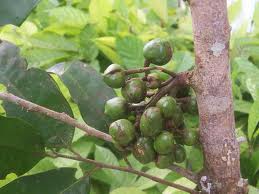
Otoba sp
COMMON NAME: Banderol
LATIN NAME: Otoba sp
AKA: N/A
Common Name: Banderol, Otoba sp. trees
Family: Myristicaceae
Part Used: bark
Actions: antimicrobial, antiviral, antiparasitic and antifungal, very good antiprotozoal activity
Indications: Lyme disease and other protozoal diseases
Cautions: Start with low dose as rapid death of organisms can cause symptom aggravations
Contraindications: None found
Herb Drug Interactions: None found
Dosage (use animal doses where available, otherwise human doses can be included here but specify): Human tincture: one drop of Banderol in 4 oz. of water twice daily, and if no flare up occurs to continue every few days to add a drop until 15 drops of extract are mixed with water twice daily. If a Herx (flare up of symptoms) occurs reduce dosage and gradually increase until full dose.
Notes:
Banderol is an herbal supplement that may be effective in fighting Borrelia burgdorferi, the bacteria that causes Lyme disease, according to an article entitled "In Vitro Effectiveness of Samento and Banderol Herbal Extracts on the Different Morphological Forms of Borrelia Burgdorferi" in the "Townsend Letter." Banderol comes from the bark of Otoba sp. trees that grow in Peru and other areas in South America. Banderol works as an antimicrobial, antiviral, antiparasitic and antifungal
Recent research: very good antiprotozoal activity