
Dedicated to Developing Responsible Herbal Practice
Established in 2002 by Susan Wynn, DVM, CVA, CVCH, AHG

BARBERRY
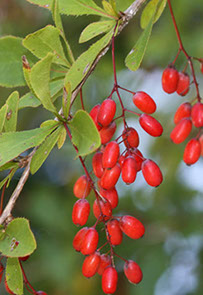
Berberis vulgaris, Wikipedia
COMMON NAME: Barberry
LATIN NAME: Berberis vulgaris
AKA: European Barberry
Common Name: Barberry, Atractylodes macrocephala; European Barberry
Family: Berberidaceae
Part used: Root, root or stem bark
Active constituents: Bark: isoquinoline alkaloids-berberine, chelidonic acid; resin, tannins, gum, wax; Multidrug resistance pump inhibitors: flavonolignans, porphyrins; Berries- malic acid
Actions: Bitter tonic, cholagogue, choleretic, alterative, anti-diarrheal. antibacterial, antifungal, antiprotozoal, diuretic; antiemetic; mild laxative; Cardiotonic, cardioprotective, , Antiarrhythmic, vasodilatory, antihypertensive, Antiatherosclerotic
Chinese actions: Clear Retained Pathogen, clear Heat toxin; Clear Liver-Gallbladder Damp Heat; Clear Liver heat; Regulate and tonify Liver Qi; move Liver Stagnation; Clear Lung Heat, Clear retained pathogenic heat, regulate Liver invasion of Lung; regulate Heart qi and Blood
Indications: Biliary catarrh with constipation and jaundice; gastritis (peptic ulcer), enteritis, dysbiosis, hepatitis, giardia, acute bacillary dysentery, endometritis, left ventricular hear failure (potential use for cardiac weakness, cardiac hypertrophy, arrhythmia), leishmaniasis, biliousness, debility during convalescence (recovery from malaria), ulcerative stomatitis and lip sores (topical treatment), eczema of the hands. Adjunct therapy for non-insulin dependent diabetes mellitus. Indicated to improve digestive function, Gallbladder inflammation, gallstones, intestinal dyspepsia; intolerances to foods or medications, reduced appetite, Acute bronchitis with barking cough.
Cautions: Pregnancy, caution used if on drugs that use the cytochrome P450. Humans: neonatal jaundice. Caution if diarrhea from spleen Deficiency and Cold. Matt Wood feels herb is so bitter very hard to ever overdose.
Contraindication: Pregnancy, variety of symptoms theoretically possible with large amounts of barberry; lethargy, skin and eye problems, epistaxis, nephritis, nausea, vomiting. Berberine may lead to phototoxicity.
Herb Drug interactions: Berberin may inhibit some P450 enzymes; possible caution needed with some drug types such as alpha-adrenergic agonists, Antiarrhythmic, cardiac glycosides but true risk is unknown. May reinforce the effects of other drugs that displace the protein binding of bilirubin.
Dose (Human and Veterinary): Human: dried herb 0.25-5 g TID; infusions and decoctions: 5-10 g per cup, with ½-1 cup of the tea TID; Tincture: 1:2-1:3: 0.5-1.5 ml TID Small Animal: Dried herb: 25-300 mg/kg divided daily (best TID); infusion and decoction: 5-10 g per cup of water, given ¼-1/2 cup per 10 kg divided; Tincture: 1:2-1:3: 0.5-1.5 ml per 10 kg, divided daily and diluted
Notes: Grows in hedgerows and scrub. Clinical trials- use COX-2 mediated anti-inflammatory activity; inhibits intestinal fluid accumulation and smooth muscle contraction; suppress bacterial endotoxin formation; inhibit malarial infection; inhibit platelet aggregation; stimulate bile and bilirubin secretion and inhibit ventricular tachyarrhythmia.; high ability to kill Staph Aureus; Ethanol extract of root is anti-inflammatory suppresses paw edema, useful for rheumatoid arthritis.
Energetics: Bark: bitter and astringent, cold and dry; Berries: astringent: Meridians: Spleen, Stomach. Liver, Gallbladder, Lung, Heart, Intestines
Native Americans: use for Stomatitis and sore throat; berries used for fever
Specific indications: biliary disease, and gastritis; berries used for fever, diarrhea, and stomatitis
Culpeper: cleanses the body of choleric humors and treats diseases associated with choler, such as yellow jaundice, hot agues, scabs, itch and boils; clears heat from the blood and the Liver; for diarrhea with blood; for burns and scalds;
Lonicerus: cold and dry in the second degree; gallbladder induce vomiting, for headaches if due to heat and acidity from gallbladder disease; strengthens the stomach, liver and increases appetite; strengthens the heart, for discomfort around the heart; cleanses the uterus to remove old leucorrhoea.
Fyfe: Indications-relaxed and catarrhal conditions of the gastrointestinal mucous membranes; atonic dyspepsia; torpid conditions of the liver; cholera infantum; jaundice; chronic diarrhea and dysentery; bilious colic; sharp pains under the ribs; pains extending from the liver to the abdomen. It is a very efficient tonic in debilitating and anemic conditions, especially tongue is deep red or brownish is color. Specific indication is a rapid, hard pulse which will become weak and slow when the system is exhausted.
Peter Holmes said that Barberry’s root bark action is not just cooling but stimulating and restoring. As it increases gastric and other secretions, this bitter digestant promotes digestion and generates strength. It helps break up and move out toxic intestinal accumulations in general, addressing stagnant conditions of the liver, gall bladder, stomach and intestines. It is appropriate for treating chronic conditions that through deficiency have turned into stagnation. When stagnation and its concomitant irritation turns into heat creating St Fire and Liver Fire, Barberry is still the right remedy. It is also an excellent cold astringent and blood decongestant that treats Lower Warmer dam heat infections with inflammation and discharge as well as blood stagnation in general.
Tissue states: atrophy, stagnation
Preparation: the extremely bitter root tincture can be used in very small doses. Small doses are tonic, large ones are purgative