
Dedicated to Developing Responsible Herbal Practice
Established in 2002 by Susan Wynn, DVM, CVA, CVCH, AHG

BILBERRY
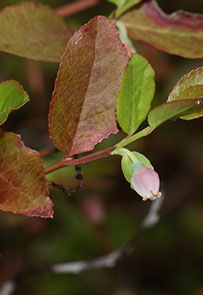
Vaccinium myrtillus, Walter Siegmund
COMMON NAME: Bilberry
LATIN NAME: Vaccinium myrtillus
AKA: European blueberry, huckleberry, whortleberry
Common Name: Bilberry, Vaccinium myrtillus L, European blueberry, huckleberry, whortleberry
Family: Ericacae
Part Used: Ripe fruit and leaves
Active constituents: Anthocyanoside flavonoids (anthocyanins), vitamins, sugars, and pectins; vitamin A and C, monerals are found in the berries; quercetin, catechins, tannins, iridoids, and acids are found in the leaves.
Actions: Vasoprotective, antioxidant, anti-inflammatory, astringent, anti-edema;
TCM actions: 1. Intestine Damp heat, stomach damp heat, bladder damp heat; clear heat, dries damp, reduces infection and inflammation, and stops discharge, clears parasites; 2. Venous Blood stagnation; Central Qi sinking: vitalizes the blood, promotes astriction, strengthens the capillaries, raises central Qi and stops prolapse; 3. restores the pancreas, strengthens the lungs and relieves coughing; 4. Promotes detoxification, dissolves deposits and promotes urination, restores connective tissue and benefits the skin and vision.
Indications: Conditions involving increased capillary fragility, nose bleeds, retinopathies, Antioxidant, Wound healing (internal and topical), ulcers, stabilization of connective tissue, gastric disorders requiring repair of gastric mucosal barrier (ulceration, gastritis, oesphagitis). Vision disorders including retinitis, retinal damage, diabetic retinopathy, progressive retinal atrophy, nuclear sclerosis, simple glaucoma, improvement in night vision, potentially helpful in prevention cataracts; intestinal or uterine prolapse, excessive sweating; potential for amyloidosis
Specific indications: Stroke, visual fatigue, retinal damage, night blindness, glaucoma, cataract, atherosclerosis, ulceration of the mouth and gums. Inflammation of the throat and pharynx, gastroenteritis, colitis, ulceration of the GI, IBS, Diarrhea, dysentery, diverticulosis; hemorrhoids, varicose veins; urinary tract infections; edema; vaginal discharge, leucorrhea, dermal ulceration
Cautions: Stomach cold conditions and not to be used ion its own with diarrhea due to intestines cold.
Contraindications: None known
Herb Drug Interactions: Has antiplatelet aggregating properties, very high doses should be used cautiously in patients with hemorrhagic disorders and in those taking anticoagulant or antiplatelet drug
Dosage (use animal doses where available, otherwise human doses can be included here but specify): Human: Fresh berries: 10-100g TID; Fluid extract (1:1, in 25% ethanol): 3 – 5 mL daily; Tincture (20% - 66% ethanol; higher doses used for lower ethanol products):1:2 or 1:3: 3 - 5 mL TID Small animal: Fresh Berries: 5-100 g TID; Dried herb: 25-300 mg/kg divided daily; Standarized extract: 2-4 mg/kg TID; Fluid Extract (1:1) 0.25-1.0 ml per 10 kg Divided daily; Tincture 1:2 0.5-1.5 ml per 10 kg; divided daily
Notes: found in the mountains and forest of Britain, Europe, and northern United States
Energetics: Cool, dry
Taste: sweet, sour, moist, astringent
Tissue State: excitation, depression
Tropism: stomach, intestines, lung, pancreas, eyes, arteries, capillaries, kidneys and fluids
Meridians: Large Intestine, Bladder, Stomach, Lung and Dai.
Tradition use since Middle Ages: bladder stones, biliary disorders, scurvy, coughs, and Lung tuberculosis.
Matthew Wood:
Bilberry leaves are used as astringent anti-septic for urinary tract infections; improve lack of tone and ulceration in the mucosa of the digestive tract; are diuretic and used in edema and gravel in increase kidney discharge. A tea make from the leaves is also a remedy for diabetes if taken for a prolonged time. The fruit, high in vitamin C, was used for scurvy. The flavonoids decrease the fragility and permeability of the capillaries, reducing hemorrhage and increasing blood flow into the periphery and decreasing platelet aggregation. The tannins improve tone on the venous side of the circulation. This can reduce tendencies to atherosclerosis, high blood pressure and stroke. This is a net cooling effect. High levels of sugar make bilberry nutritive or moistening but this is moderated by the drying effect of the tannins. The anthocyanidin myrtillin help to reduce blood sugar levels even though the berries are so sweet. Some of the anthocyanosides have an affinity to the retina, where the increase production of rhodopsin. This helps the eyesight adapt to darkness and glare. Others prevent the destruction of the collagen forming the architectural framework for the structures of the eye. Glaucoma which is the high blood pressure of the eyes, may respond to the increased capillary and venous blood flow due to the flavonoids and tannins.
Peter Holmes:
Its astringent, cold, dry properties quality it for hot or inflammatory conditions with discharge or damp. Bilberry equated with acupuncture points CV 10; LI 4; St 44;, Liver 8; St 25, All tissues are restored, strengthened and solidified, including the pancreas and lung.
Hill:
a Syrup make of the juice of bilberries, when not over ripe, is cooling and binding; it is a pleasant and gentle medicine for women whose menses are apt to be redundant, taken for a week before the time.
Culpeper:
They are under the dominion of Jupiter. The black bilberries are good in hot agues, and to cool the heat of the liver and stomach; they do somewhat bind the belly, and stay the vomitings and loathings; the juice of the berries make into a syrup, or the pulp make in to a conserve with sugar, is good for the above as also for an old cough, or an ulcer in the lungs, or other diseases therein. The red Worts are more binding and stop women’s courses, spitting of blood, or any other flux of blood or humours, being used as well outwardly as inwardly.
Recent Research:
The anthocyanosides are considered the most important active components. Anthocyanosides concentration in the fresh fruit is approximately 0.1% to 0.25%; concentrated bilberry extracts are usually standardized to 25% anthocyanosides The berry’s anthocyanosides content increases as the fruit ripens; the reverse is true of its leaf constituents. Bilberry research: focused on ocular and vascular disorders, diarrhea, dysentery, mouth and throat inflammation; used to decrease blood glucose; mild vermifuge and remedy for throat ailments, nerve tonic; improves night vision; prevents impairment in the lenses and retina; protective effects in endotoxic shock; decreases plasma triglycerides, and cholesterol; inhibits the growth of human leukemia cells; and human colon carcinoma cells; significant vasoprotective and anti-edema properties; suppression of cell proliferation activity of preneoplastic liver cells; alternative therapy for local infections caused by S. aureus by combining classic antibiotics with plant-derived extracts; protective effect against cisplatin ototoxicity in rats.; general and potent inhibitory effect on the amyloid fibril formation of various conformational disease-causing proteins; endow protective effects against UVA-induced retinal damage; reduce the cisplatin induced ovarian toxicity thus it alleviates free radical damage.