|
| Veterinary Botanical
Medicine Association |
| Dedicated to Developing
Responsible Herbal Practice |
| |
| MEMBER WEBSITE |
| |
|
Jasmine C. Lyon,
Executive Director |
| QUESTIONS?
email
office@vbma.org |
| |
| Established in 2002 by
Susan Wynn, DVM, RH(AHG) |
|
|
|
| |
|
|
| |
|
VBMA Herbal Wiki |
|
|
|
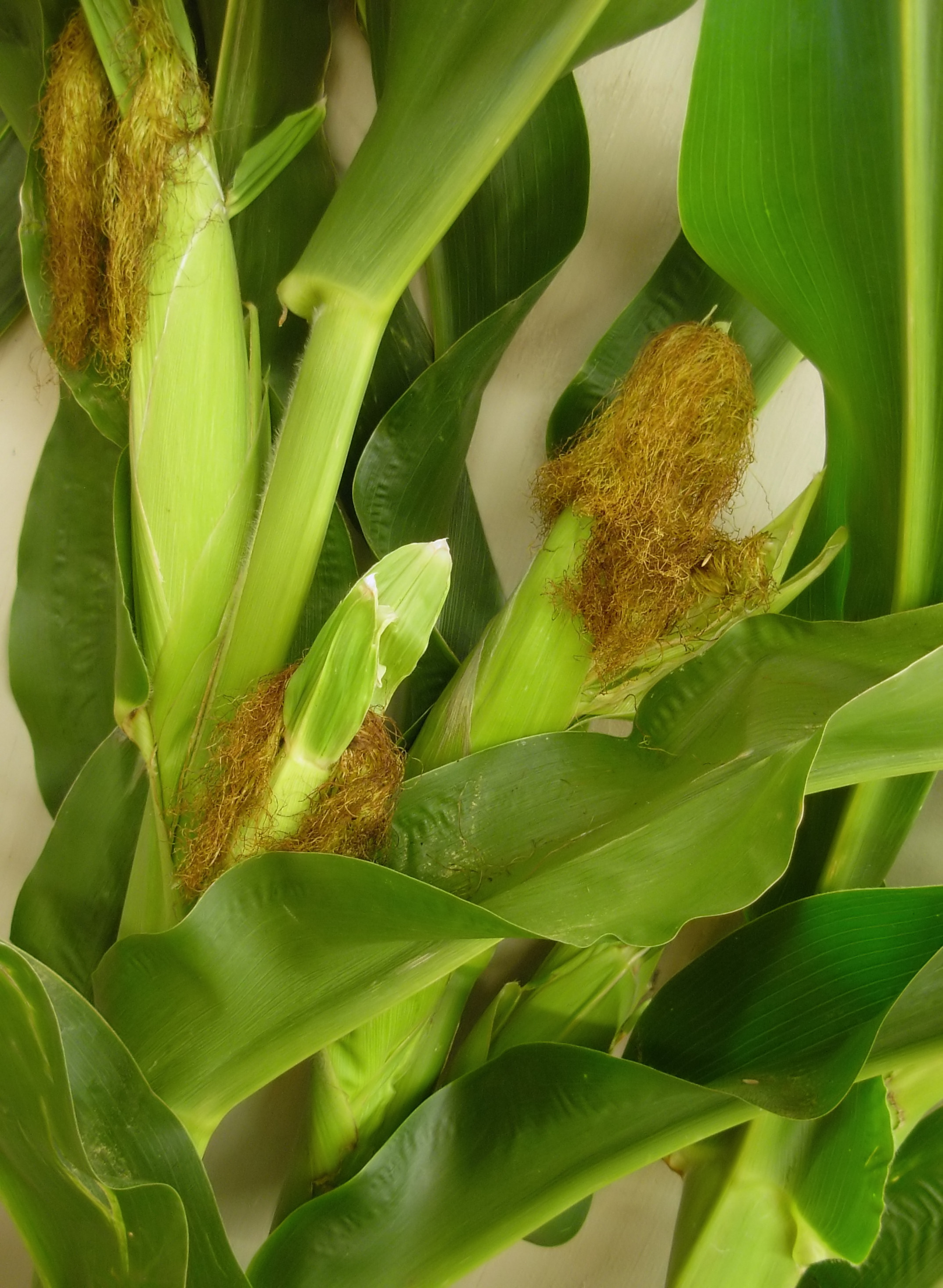
Corn silk,
Zea mays is an tradition American Indian remedy
for bladder infection. It is avmild demulcent that heals
and soothes the mucosa of the bladder.
Energetics: sweet, slightly bitter, moist.
Tissue states that are treated: irritation, constriction
and atrophy
Organs: Bl Kidney, GB and
Liver
Specific indications: Acute
and chronic inflammation of the bladder,vpainful
irritation of the bladder, catarrhal cystitis, purulent
urine,vbedwetting, excessive alkalinity of the urine,
gravel
Corn Silk also has a great use
in the treatment of diabetes.
Peter Holmes
classifies it as: Clear heat, Dries Damp and reduces
infection.vvIt can also affect gall-bladder damp heat
and has a chologogue action
that can be useful when
treating jaundice; hepatitis,
cholecystis,vcholelithiasis.
Lloyd said,
"Corn Silk is indicated in cystic irritation, due to
phosphatic and uric acid concretions. In these cases the
urine is usually scant and of a strong odour. The remedy
not only relieves the bladder and urethral irritation,
but tends also to prevent the formation of gravel and
calculi. It is an important and favorite remedy in the
treatment of urinal disorders of the aged, especially
where the urine is strong and scant, and shows a heavy
sediment."
Bedwetting treatment: Equal
parts of Tincture of Corn Silk and Agrimony.
Cornsilk has two main benefits in diabetes - it inhibits
glycation and subsequent tissue damage from chronically
high glucose levels; and it somehow compensates even for
beta islet cell damage in controlling blood sugar levels
and preventing hyperglycemia. It also contains beta
sitosterol, which has an adrenal gland normalizing
effect, in terms of dampening excess cortisol secretion
under stress.
Interesting case I found of a
Dr. Pruitt of Arkansas in 1893 reported the use of a
distilled extract of Corn Husks in the treatment of
malaria He
had observed its use in many
cases of chronic intermittent fever. In no case had he
known it to fail in giving relief to the entire train of
symptoms, often intractable to
other remedies. It controls the persistent temperature,
quits irritability of the stomach, regulates the action
of the
liver and kidneys and reduces
enlarged spleen. It has a mild, diuretic effect in many
cases,
Finally, Cornmeal topically
treats toenail fungus.
BHP-acute or chronic urinary
inflammation, prostatitis, enuresis; small urinary
stones due to phosphate or uric acid. |
| |
| |
| |
|
|