|
|
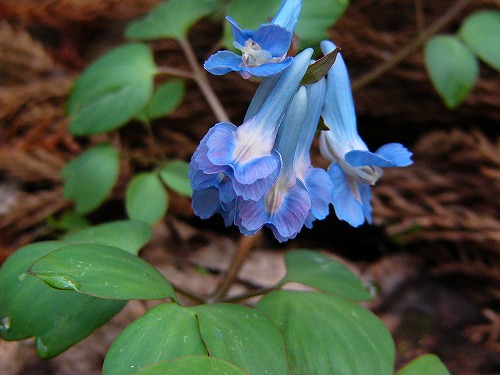
Common Name: Corydalis
|
Corydalis ambigua.,
Corydalis yanhusuo, Corydalis turtschaninovli;
fumewort, fitweed
|
|
Family
|
Papaveraceae
|
|
Part Used
|
root
|
|
Active constituents
|
Alkaloids, corydaline,
tetrahydropalmatine; starch, mucilage, resins,
volatile oil and inorganic microelements
|
|
Actions
|
Analgesic,
cardioprotective, sedative, antiarrhythmic;
anti-inflammatory; anti-ulcer; muscle relaxant;
adrenocortical support;
TCM actions:
Activates qi and Blood circulation to relieve
pain
|
|
Indications
|
Pain, especially pain
from cancer; epilepsy, anxiety, gastrointestinal
ulceration, insomnia, cardiac arrhythmia; chest
pain; epigastric and abdominal pain; hernial
pain; gynecological pain; pain in the
extremities; masses, cancer treatment and
prevention of metastasis; FIV
|
|
Cautions
|
Use with caution if have
pain from an underlying deficiency, as the herb
may consume qi and blood
|
|
Contraindications
|
Pregnancy, hypertension,
possible weakening of heart function in cardiac
patients though Ca++ influx;
|
|
Herb Drug Interactions
|
Calcium channel drugs
|
|
Dosage (use animal doses
where available, otherwise human doses can be
included here but specify)
|
Small animal: Dried
herb: 25-300
mg/kg, divided TID;
Infusion and
decoction:
5-30 g per cup, ¼-1/2 cup per 10 kg divided TID;
Tincture:
1:2-1:3: 0.5-1.5 ml per 10 kg divided TID
Dried herb: Horse
and Cattle:
15-30 g;
Camels: 30-75
g; Llamas,
Alpacas, Goat, Sheep, and Pigs:
3-10 g; Dogs:
1-5 g; Cats
and Rabbit:
0.5-1g; Birds:
0.1-1.5 g
|
Notes: Energetics:
Warm, bitter, pungent; effects Heart, Liver and Spleen
meridians
Traditional use:
TCM-major analgesics invigorate blood, it is one of the
most effective herbs because it can activate qi in the
qi level and invigorate blood circulation in the xue
level.
Published research:
Tetrahydropalmatine, inhibits
amygdaloid dopamine release; blocks receptor sites in
brain; decrease platelet adhesion, lower blood pressure
and heart rate, Corydalis inhibits human
immunodeficiency virus; inhibits aldose reductase
(possible cataract prevention)
Recent research:
Much have been on cancer studies: decreases multidrug
resistance of cancer cells; inhibits cell proliferation
by inducing apoptosis mediated by regulating Bax/Bcl-2,
activating caspases as well as cleaving PARP; inhibits
metastasis of breast cancer cell; inhibited cell
proliferation by inducing G2/M cell cycle arrest, which
might be mediated by inducing ROS formation, decreasing
ΔΨm and regulating cell cycle related protein
expressions; has strong antiangiogenic effects; has
cardioprotective effects in myocardial
ischemia-reperfusion injuries; and has significant
anxiolysis and decreases motor movements..
|