|
|
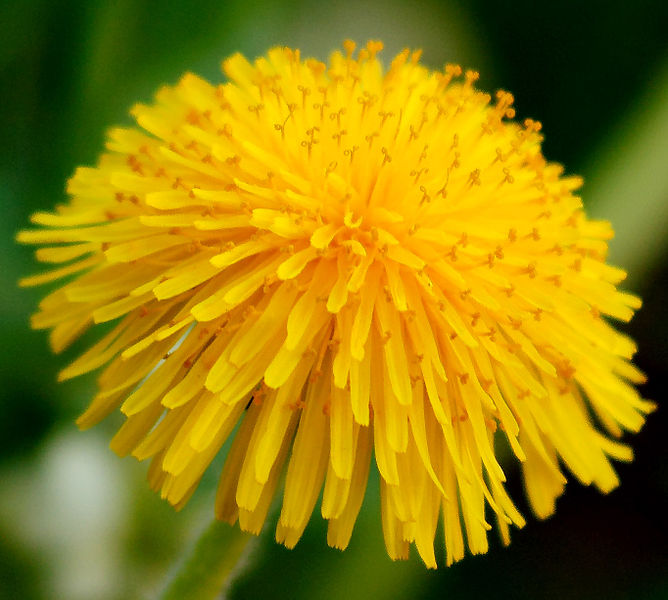
Common Name-Dandelion
|
Taraxacum
officinale
Webster ex. F.H.Wigg. syn; Dandelion; Lion’s
Tooth, dent de lion, Gemeiner, lowenzahn,
taraxaco; In TCM-Pu
Gong Ying
|
|
Family
|
Asteraceae (Compositae)
|
|
Part Used
|
Roots and leaves
|
|
Active constituents
|
Sesquiterpene lactones,
taraxinic acids, triterpenes( taraxasterol-anticancer);
carotenoids, lutein; inulin; saponins; fatty
acids; flavonoids, apigenin, luteolins, and
chrysoriol; minerals, esp. potassium; phenolic
acids, coumarins, sitosterol, stigmasterol, and
taraxasterol; sugars; vitamin A quercetin
glycosides
|
|
Actions
|
Leaf: diuretic, cholagogue, weaker than root,
bitter tonic, choleretic, antirheumatic; root:
laxative, cholagogue, alterative,
anti-inflammatory, anti-diarrheal
Chinese actions:
1. tonify and move Qi of the St, Intestines,
Liver and Gallbladder, 2. clear Liver Heat,
3.Clear Liver Damp Heat, 4. Clear Stomach and
Intestinal Heat, 5. tonify and move Bladder Qi,
clear bladder Damp Heat, 6. Clear Heat Toxin,
clear Retained Pathogen, 7.Promotes Lactation,
8. Nourishes Liver Yin Deficiency
|
|
Indications
|
Pancreatitis, triaditis, intestinal abscesses,
skin infection, boils, snakebite; Leaf:
oliguria, edema, cholecystitis, edema from
congestive heart failure, diuretic for
management of urinary calculi, cystitis
Root: cholecystitis,
jaundices, constipation, digestive tonic, liver
tonic, supportive of diabetes, restoration of
hepatic and biliary function, dyspepsia, loss of
appetite, digestive weakness, hepatobiliary
weakness, flatulence, intestinal bloating,
muscular rheumatism,(connective tissue
degeneration), chronic skin disease
|
|
Cautions
|
If on quinolone antibiotics, decreased
absorption due to high mineral content.
Avoid if Asteraceae allergy
Continuous large doses may cause minor symptoms
such as loose stool, heartburn and nausea.
Dandelion is one of a
small group of alterative herbs that may
aggravate skin disease or arthritis. It should
be started gradually and /or combined with
Glycyrrhiza to moderate adverse alterative
effects.
|
|
Contraindications
|
Bile duct obstruction, acute gallbladder
inflammation (root if gallstones are present).
Intestinal obstruction.
Chinese: Spleen
Deficiency and cold
|
|
Herb Drug Interactions
|
Decreases absorption of
quinolone antibiotics; no reports of adverse
effects
|
|
Dosage (use animal doses
where available, otherwise human doses can be
included here but specify)
|
Historical:
Small animal:
dried root: 4-8 gram.; Root juice and fluid
extract: dog, 5-20 grain (0.0-1.3 g)
Large animal:
Dried root: Horse and cow: 1-2 oz (30-60 g);
sheep and swine: 2-4 dr (8-15 g); root juice and
fluid extract: Horse and Cow: 1-4 dr (4-15 g);
Camel:45-120 g; llama, Alpaca: 10-30 g; Cats and
rabbits: 0.5-3 g; birds: 0.3-5 g.
|
Grows
in grassy areas.
Notes: Energetics:
bitter, cool-cold and dry; Organs: Liver, GB, Kidney, Bl,
St, Intestines:
Tissue State treats- stagnation
The
tongue provides a specific indication: Mapped or
geographic tongue covered with a white film; feels raw;
comes off in patches; leaving red, sensitive spots. The
tongue color itself is dark, red, indicating a sort of
deep, internally established heat. There are sometimes
dark red in the lips.
Traditional usage:
Native Americans: food, dermatologic and GI problems,
heartburn, used as a bitter tonic; sore throat.
Analgesic, sedative, laxative, love potion, tonic;
Eclectics used
dandelion root digestive bitter and aperient.
Culpeper: cold and dry
in the second degree, with an opening and closing
quality. Lyle: hot with fever, typhoid fevers.
Read used for
management of cancer in 1635.
Fyfe-Indications:
Atonic conditions of the gastro-intestinal tract; topor
or engorgement of the Liver or spleen; chronic diseases
of the skin. Juliette
de Bairacli Levy-the
mineral filled greens as a diet for strengthening the
enamel of the teeth, and a constitutional remedy for
diabetes, obesity, and excessive sleepiness.
Matt Wood:
one of his Specific indications is mammary abscess and
cancer.
Dandelion is mainly used a s a bitter digestive
stimulant, liver trophorestorative, diuretic and
antidyskratic detoxicant. Its bitter taste stimulates
digestive secretions by promoting bile flow. Its sweet
taste restores liver tissue. The roots high mineral
content gives it a salty taste that produces a
detoxicant and regulation effect
Published research:
source of natural antidiabetic compounds; helpful in
acute pancreatitis; its oligofructans source of pre-biotics;
reduces enzymatically induced lipid peroxidation and
cytochrome d; inhibits production of tumor necrosis
factor; increased bile secretion
Preparation: leaves are more diuretic; roots are more
cholagogue, the flower acts more on the heart. Dandelion
harmonizes a formula
|