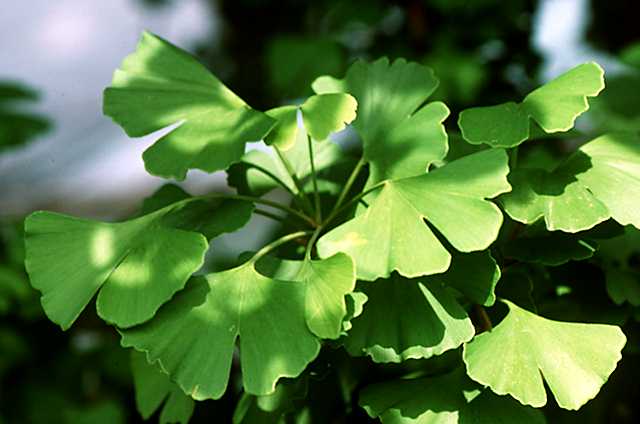
|
Common Name: Ginkgo
|
Ginkgo biloba
L.; Ginkgo, Maidenhair tree, arboldilos escudos.
TCM, nut is Bai Guo or Yin Xing
|
|
Family
|
Ginkgoaceae
|
|
Part Used
|
Western-leaf
extract, collected in late spring and summer and
dried;; in TCM nut or seed is used
|
|
Active constituents
|
Leaf:
terpenoid lactones (ginkgolides A,B,C)
sesquiterpene lactone, Flavonoids, tannins,
organic acids, lignans
|
|
Actions
|
Leaf:
anti-inflammatory, vasodilator, relaxant,
digestive bitter, cognitive enhancer;
anti-oxidant, anti-platelet activating factor
activity, tissue perfusion enhancing,
circulatory stimulant, neuroprotective the
leaf also astringes the Lung, Calms Wheezing,
and stops pain. Also relieves
chest oppression and pain by improving the
circulation in the chest;
Seed Action:
1. Strengthen lung and soothe asthma
2. Expel phlegm and stop wheezing, 3. Eliminate
Damp and stop discharge, used for both
deficiency and damp Heat
|
|
Indications
|
Cerebral
insufficiency, multiinfarct dementia, tonic for
the elderly vertigo, Cognitive dysfunction,
(ADHD), headache, cerebral trauma, impaired
hearing, tinnitus, sudden hearing loss,
glaucoma, and diabetic retinopathy,
cardiomyopathy, peripheral circulation
disorders, central nervous system ischemia,
hypercoagulation disorders and stress; possible
hyperadrenocorticism, treat high altitude
disease,, congestive dysmenorrhea
|
|
Cautions
|
Rare skin
reactions; bleeding if long term ingestion (use
standardized extract, less ginkgolic acid) Seed:
no more that 8-10 nuts per day for human, not
for long tern use, effect is seizures; no
adverse effects in pregnancy or lactation
|
|
Contraindications
|
Bleeding disorders
|
|
Herb Drug Interactions
|
Leaf:
Bleeding reports when taken with aspirin or
other anticoagulants; enhance effects for
anesthetics and cyclosporine, trimipramine,
monoamine oxidase inhibitors, and hypoglycemic
agents; Reduce the cardiotoxicity of
doxorubicin, and nephrotoxicity of gentamicin,
and the sexual adverse effects of fluoxetine and
selective serotonin reuptake inhibitors.
Gingko nut may increase seizure activity.
|
|
Dosage (use animal doses where available,
otherwise human doses can be included here but
specify)
|
Small animal: dried
herb: 25-300
mg/kg divided daily TID; Standardized extract
10-50 mg/ 10 kg divided TID; tincture:
1:2-1:3: 0.5-1.0 ml per 10 kg divided TID and
diluted
Seed: Horse and
cattle: 15-45
g; Camel:30-5-60 g; Llamas, alpacas,
goats, sheep, and pigs: 3-10 g; dogs-2-5
g; Cats and Rabbits: 0.5-1 g; birds:0.2-1.5
g
|
Notes: a living fossil, not changed in 200 million years
Seed: Energy:
neutral, sweet, bitter,
astringent; the seed is slightly toxic; Channel:
Lung, Kidney
Leaf:
is bitter, sweet and is an astringent. It is
anti-inflammatory and is a vasodilator.
"The extract of the
leaf has been shown to promote peripheral and central
blood Flow and to protect the brain from oxidation
damage. The flavonoids stabilize
vascular permeability and integrity."
Pharmacologic research:
potent anti-oxidant effects; may modify lipid deposition
in arteries; acts on the hypothalamic level and able to
reduce corticotrophin-releasing hormones expression and
secretion.
|