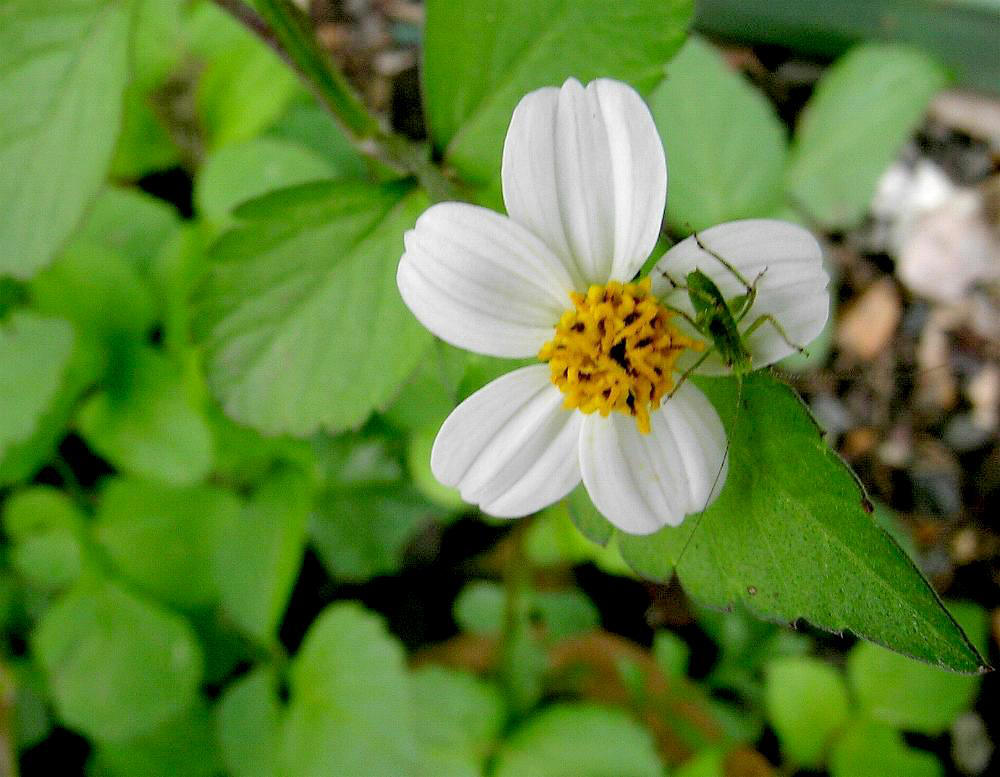
|
Actions:
Clear Heat and Toxins
|
Western: blood purifier, antibacterial;
antidote; antidysenteric, antihemorrhagic;
anti-inflammatory; antimalarial; antimicrobial;
antipyretic; astringent; carminative;
circulation promoting; diuretic; emmenagogue;
emollient; hepatoprotective; hypotensive;
intoxicant; lactogogue; liver protective; mucous
membrane tonic; prevents colds and flu;
sialagogue; stagnant blood dispelling;
stimulates childbirth; styptic; urogenital
system tonic; vulnerary.
TCM Functions: 1. Cools
and resolves the surface; 2. Clear heat and
toxins. Removes toxins, removes stagnation; 3.
Clears damp heat from lower jiao, 4.Removes wind
dampness; 6. Purges Fire; 7. Reduces swelling
|
|
Indications
Common-Colds and flu,
acute hepatitis; bacterial infections,
inflammatory conditions; UTIs
|
Cardio-prevent stroke, “cools the blood”,
angina; Derm-skin rash, itching, eczema; boils,
abscess; GI-nausea and vomiting, food poisoning,
appendicitis, IBD, haemorrhoids, colitis,
dysentery; also stimulate appetite, difficulty
swallowing, weight loss; diabetes; headache, eye
inflammation, earache; nasal discharge;
toothache, mouth ulcers; tonsillitis; esophageal
enlargement; laryngitis; jaundice, biliary
colic, malaria, cold and flu; glandular
sclerosis; joint pain; rheumatoid arthritis;
gout; wounds; traumatic injuries;
Cancer, esp. gastric
or esophageal; worms, even in children;
infantile fever with convulsions; ailments
caused by evil spirits; sedative for
smart-alecks; vaginal infections; uterine
hemorrhage; stimulates childbirth; benign
prostatic hypertrophy. Difficult urination;
asthma, bronchitis, cough with spitting blood;
sinus headaches, allergies, pneumonic TB; acute
nephritis, kidney stones, UTIs; urinary
retention;
Foot and Mouth Disease;
insect bites and scorpion stings; leprosy,
prickly heat.
USE AS FOOD-young leaves eaten raw or steamed.
Fermented with rice to make sake.
Used as an iced beverage in summertime to
relieve summer heat.
Also as a crop protector
against moulds and nematode attacks-increases
corm yield
|
|
Dosage (use animal doses
where available, otherwise human doses can be
included here but specify)
|
Human: dried herb:
15-60 grams per day; (up to 120 grams for acute
conditions) Ingest during daylight for maximum
effect; Prepare as decoction or tincture, while
still in flower
|