 |
| Veterinary Botanical
Medicine Association |
| Dedicated to Developing
Responsible Herbal Practice |
| |
| MEMBER WEBSITE |
| |
|
Jasmine C. Lyon,
Executive Director |
|
QUESTIONS?
email
office@vbma.org |
| |
| Established in 2002 by
Susan Wynn, DVM, RH(AHG) |
|
|
|
| |
|
|
| |
|
VBMA Herbal Wiki |
 |
|
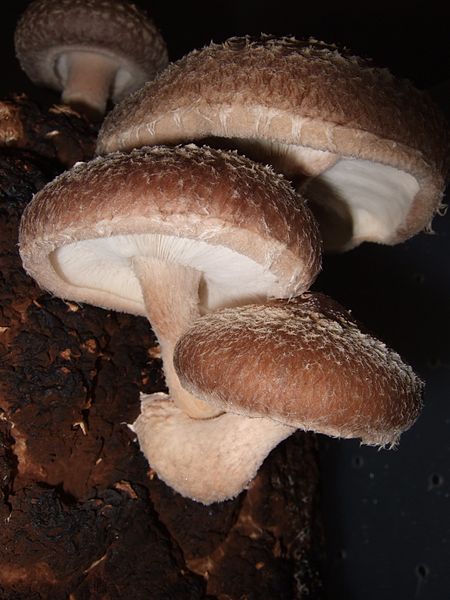
| Lentinula edodes,
Wikipedia |
|
|
|
|
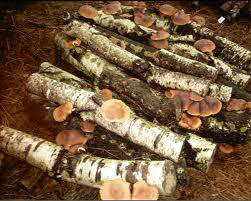
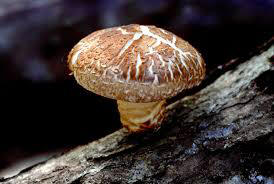
Common Name: Shitake
|
Lentinus edoides
|
|
Family
|
Tricholomataceae
|
|
Part Used
|
Fruiting body
|
|
Active constituents
|
Polysaccharide, lentinan;
purine alkaloid; proteins; fatty acids; vitamin
D, B2, and B12
|
|
Actions
|
Immune modulating;
nutritive; Qi tonic; Wei Qi tonic; Kidney Qi
tonic
|
|
Indications
|
Chemotherapy support,
hepatitis, Immunodeficiency virus support;
enhance growth in food animals; immune support;
dental disease in immune compromised animals;
traditional use to increase stamina and
circulation and help alleviate arthritis,
diabetes, high blood cholesterol, obesity;
immune mediated colitis, inhibits herpes virus
|
|
Cautions
|
At very high doses can
cause bloating and diarrhea
|
|
Contraindications
|
None found
|
|
Herb Drug Interactions
|
None found
|
|
Dosage (use animal doses
where available, otherwise human doses can be
included here but specify)
|
Human: Dried Herb:
5-30 g TID;
LEM extract:
1-3 gr 2-3 times a day;
Infusions:
5-30 g per cup of water with one cup TID;
Tincture:
1:2-1:3: 1-5 ml TID
Small animal:
Dried Herb:
50-400 mg /kg divided;
Infusion: 5-30
gr per cup given at a rate of ¼-1/2 cup given
¼-½ cup per 20 lbs. divided;
Infusion:
5-30 gr per cup, ¼-1/2 cup per 20 lbs. divided;
Tincture-
1:2-1:3: 1.0-2 ml per 10 kg. divided
|
|
 |
| |
|
Notes
Energetics:
Neutral, sweet
Shitake has been
cultivated in China since the Song dynasty in 1100 AD.
Shitake does not lose its medicinal benefit when cooked
at temperatures up to 392 degrees F. Its 1, 3 D-glutcan
activates the lymphokine activated killer and natural
killer cells of the immune system to combat various
cancers. It reduces prostaglandins responsible for
creating inflammation that would prevent T-cell
maturation. Japan is used for the treatment of gastric
cancers, widely used for treatment of breast cancer,
prostate cancer, lung cancer and melanoma, very
effective again Mycobacterium, moulds and pathogenic
fungi. It increases NO production and catalyse activity;
enhances production of interferon, anti-fat effect;
inhibits pathogenic and opportunistic microorganisms,
used to treat heptocellular adenocarcinoma.
Research: has
inhibitory effect on dental plaque!!! Viable alternative
to growth-promoting antibiotics for growth promotion in
food animals; anti-cancer effect; may lower blood
cholesterol
Mycoremediation:
Shitake secretes enzymes that help break down PCBs, PAHs,
and PCPs. The mycelium has been found to help remove
heavy metals and industrial dyes from waterways. Paul
Stamets work with mushrooms is a must to read!!
|
| |
| |
| |
| |
| |
| |
|
|