 |
| Veterinary Botanical
Medicine Association |
| Dedicated to Developing
Responsible Herbal Practice |
| |
| MEMBER WEBSITE |
| |
|
Jasmine C. Lyon,
Executive Director |
|
QUESTIONS?
email
office@vbma.org |
| |
| Established in 2002 by
Susan Wynn, DVM, RH(AHG) |
|
|
|
| |
|
|
| |
|
VBMA Herbal Wiki |
 |
| COMMON NAME:
Valerian |
| LATIN NAME:
Valeriana officinalis |
| AKA: setwall,
setewale, all-heal, amantilla |
| |
|
BACK TO
HERBAL WIKI INDEX |
|
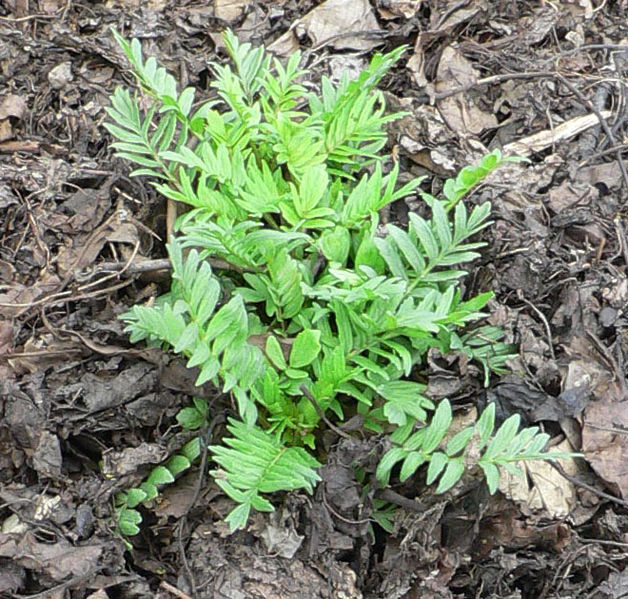
| Valeriana
officinalis,
Raul654, Wikipedia |
|
|
|
Common Name:
Valerian
Latin Name: Valeriana officinalis
L., wild valerian, setwall, setewale, all-heal,
amantilla, capon’s tail, phu, baldrianwurzel
Family: Valerianaceae
Part Used: Root
Cats love this plant (and rats). |
| |
Active constituents:
Volatile oils, pinene, borneal; sesquiterpenes;
baldrinols and phenolic acids (dried root contains GABA
but not the alcoholic extract.); iridoids; lignans;
flavonoids |
| |
Actions:
Sedative, hypnotic, antispasmodic, anti-convulsant,
stimulant tonic, tranquilizer, antihypertensive,
analgesic, anti-inflammatory; anti-oxidant, hypothermic;
bronchospasmolytic; vasorelaxant; anxiolytic, neuro-protective
TCM: 1.Calm Heart Spirit, clear Heart Heat; Heart Qi and
Yang deficiency; 2. Calm Liver Yang, clear Liver Wind,
3. Calm Stomach and Intestines, clear Stomach Heat |
| |
Indications:
Anxiety, insomnia, nervous tension, uterine cramps,
adjunct for epilepsy, suppressing maniacal and
aggressive behavior; adjunct with seizure control, cats
with hypertrophic cardiomyopathy; asthma with anxiety;
headache with hypertension, irritability, anger,
gastritis, colitis, ulcerative colitis Topical
traditional use on wounds |
| |
Cautions:
Occasional paradoxical excitement, especially if yang
excess; rare allergic reaction; overdose may cause
nausea and stupor; compatible with breastfeeding, with
caution; do not allow animals to drive, use machines or
perform intense precision skills, two hours after taking
Valeriana.; rhizome can produce mild dependence;
discontinued for a week after 2-3 weeks of continuous
use |
| |
| Contraindications:
Theoretical: some schizophrenics and bipolar-may worsen
symptoms |
| |
| Herb Drug Interactions:
May interact with barbiturates and other CNS
depressants; enhance the effect of benzodiazepines; May
drug test positive for reserpine |
| |
Dosage
(use animal doses where available, otherwise human doses
can be included here but specify):
*Small animal: Dried herb*: 25-300 mg/kg, divided TID;
*Infusion and decoction*: 5-30 g per cup, ¼-1/2 cup per
10 kg divided TID; *Tincture:*1:2-1:3: 0.5-1.5 ml per 10
kg divided TID *Large Animal: Horses: fluid extract-*
30-60 ml; *oil,* 2-4 ml; *Cow: Fluid extract:* 30-60 ml;
*sheep and goat*: 4-8 ml:* oil-cow: *2-4 ml; *sheep and
goats*: 0.6-1.3 ml; *Dried herb: Horse and cow: *1.2
oz.; Dog- 1-7.5 g; *Tincture: Dog:* 7-15 ml. |
| |
Peter Holmes:
changeable remedy; low dose for a restoring function;
medium dose for stimulating and relaxing and a high dose
for grater calming effects; high dose may produce
opposite effect. Valerian’s real identity is the result
of phosphorus bioenergies; connected with the substance
of the nervous system which brings us light of sensation
and consciousness; only promotes rest and sleep when
there is exhaustion. |
| |
Notes:
Energetics: warm, pungent, qi mover of heart; Jeremy
Ross classifies it as cool; bitter sweet; Organs: Ht,
Liver, St, Intestines; (reports of hypothermic effects
of herb) |
| |
Traditional use:
Culpeper*: Dioscorides said-“warming faculty-provoketh
urine and cureth strangury.” Takes away pain for the
side; special remedy against the plague; expels wind;
helps dimness of sight; excellent property to heal
inward sores or wounds, and also for outward hurts or
wounds and drawing away splinters of thorns”;* Gerard*
used it for convulsions |
| |
Scudder:
Allays nervous irritability, modifies or arrests pain,
promotes rest, and favors sleep, where these conditions
result from an enfeebled cerebral circulation. Its best
use is in the treatment of chorea, associated with
macrotys.” |
| |
Fyfe:
a cerebral stimulant; great relief in high tension and
in wakefulness, it exerts a sleep-producing power;
delirium tremens; relieving influence in spasmodic
asthma and coughs; may be employed with an assurance of
good success in all wrongs of life in which a cerebral
stimulant is needed. Indications: nervous palpitations
of the heart with Dyspnea or cough, hysterical
dyspepsia, temporal and frontal headache; coldness of
the extremities; restlessness or sleeplessness |
| |
Ellingwood:
stated that it is best for nervousness with pale face,
cool skin, and weakness (Deficiency and Cold) and not
appropriate when nervousness was associated with
hyperactivity (Excess*). |
| |
Felter and Lloyd:
cerebral stimulant for depression also for calming; |
| |
| Milks:
carminative and slightly stimulates the heart and
vasomotor and respiratory centers; “stimulates the
highest centers which exert psychic control”. |
| |
| Published research:
*Valerian interacts with GABA, acts on the amygdaloid
body in the brain and inhibits the breakdown of GABA
which leads to sedation; also modulate GABA receptor
function; also binds to benzodiazepine receptors and the
5-HT(5a) receptors which are found in the
suprachiasmatic nucleus of the brain involving the
sleep-wake cycle. Research supports the use in
insomnia, sleep latency and sleep quality (need 2-3
weeks of treatment for action to be seen); stress,
decreases heart rate and blood pressure, anxiety,
aggressive behavior, and fear; and cardiovascular
disorders, improving coronary blood flow and
antiarrhythmic activity and reducing heart rate and
blood pressure. |
| |
| Recent research:
acts as a dopamine agonists and improves sleep, and
noradrenergic neurotransmission, also sleep quality
improving effect may be dependent upon levels of
monoamines in cortex and brainstem and also has shown
strong anti-oxidant effect in the brain and can modulate
the levels of lipid peroxidation; creates a distinct
improvement with attention problems, social withdrawal,
and/or anxious/depressive behavior; shows strong
antimicrobial and anti-inflammatory-like properties, it
can inhibit prostaglandin synthesis; showed inhibitory
activity against fat accumulation; moderate
neuroprotective effects against MPP+-induced
neuronal cell death in human dopaminergic neuroblastoma
SH-SY5Y cells.; valerian has a positive effect on
menopause symptoms; other studies indicate that V.
wallichii exhibits antidiarrhoeal and bronchodilatory
activities, possibly through K+ channel activation, and
thus reveal its medicinal usefulness in hyperactive gut
and airway disorders such as diarrhoea and asthma;
Valerian seems to be an effective treatment for
dysmenorrhea, probably because of its antispasmodic
effects; the mechanism of iridoid from V. jatamansi
treating irritable bowel syndrome may be related to the
regulation effect to the levels of 5-HT from
Gastrointestinal to central nervous system; Valerian had
behavioral protective effect against reserpine-induced
vacuous chewing movements in rats, indicating a
potential in treating repetitive movement disorders,
like weaving; is also reported to ameliorate hepatic
cell proliferation, Valerian extracts may have direct
inhibitory effects on the contractility of the human
uterus and this justifies the traditional use of this
plant in the treatment of uterine cramping associated
with dysmenorrhea and A root extract of Valeriana
jatamansi (code BAL-O) exhibited larvicidal and
adulticidal activity against different mosquito species. |
| |
| |
|
|