 |
| Veterinary Botanical
Medicine Association |
| Dedicated to Developing
Responsible Herbal Practice |
| |
| MEMBER WEBSITE |
| |
|
Jasmine C. Lyon,
Executive Director |
|
QUESTIONS?
email
office@vbma.org |
| |
| Established in 2002 by
Susan Wynn, DVM, RH(AHG) |
|
|
|
| |
|
|
| |
|
VBMA Herbal Wiki |
 |
|
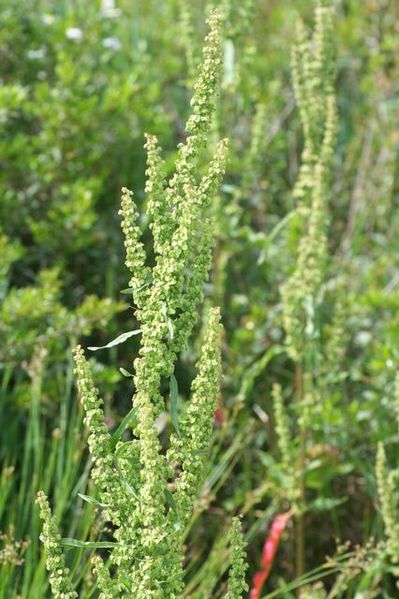
| Rumrex Crispis,
Wikipedia |
|
|
|
|
Common Name:
Yellow Dock
|
Rumex crispus;
curled dock; narrow-leaf dock; Wilder Mangolt,
Churelle
|
|
Family
|
Polygonaceae
|
|
Part Used
|
root
|
|
Active constituents
|
Quercetin, essential oils, calcium oxalate,
resin, rumicin, vitamin A,B C, thiamine,
riboflavin and niacin
anthraquinones
including emodin, aloe emodin, chrysophanol,
rhein, and physcion; rutin, flavone glycosides;
vitamin C; many different carotenoids including
beta-carotene, chlorophyll, organic acids (i.e.,
malic, oxalic, tannic, tartaric and citric) and
phytoestrogens. Minerals include calcium;
phosphorus; magnesium; potassium, and silicon,
along with iron, sulphur, copper, iodine,
manganese, and zinc. Tannins such as Catechol
(5%) (condensed-type).
|
|
Actions
|
Anti-diarrhea, Anti-inflammatory, Antioxidant,
Alterative; mildly astringent, tonic,
anti-microbial, hepatic tonic, hepatoprotective,
hypoglycemic, detergent, Cholagogue, diuretic,
digestive stimulant, laxative;
depurant
TCM-1) clears damp
heat-reduces lymphatic congestion, reduces liver
congestion, removes accumulations: promotes
bowel movement-treats liver qi stagnation with
damp-heat; intestinal qi stagnation; 2) treats
kidney qi stagnation-promotes urination; 3)
blood congestion-vitalizes blood, reduces
tumors; 4) Treats Blood deficiency-restores
blood, replenishes deficiency and relieves
fatigue; 5) promotes tissue repair (clear heat
toxin, clear Damp heat, clear retained pathogen,
move intestines Qi, tonify and move Liver Qi)
|
|
Indications
|
chronic skin disorders, enlarged lymph glands,
lymphadenitis, skin sores, rheumatism, liver
ailments and sore throats, coughs, accompanied
by increased sensibility of the mucous membrane
of the bronchi, trachea or larynx; feeling of
irritation behind the sternum, accompanied by a
cough which is increased by cold air and at
night; irregular menstruation. anemia, anthrax,
diarrhea, eczema, fever, itch, leprosy, malaria,
rheumatism, ringworm and tuberculosis,
supportive in diabetes, pancreatic
insufficiency; asthenic forms of diarrhea and
dysentery; diarrhea of phthisis, scrofula and
syphilis; jaundice; Bile Deficiency; Cellular
Regeneration;
Cleansing; Digestive
Disorders; Liver Health Maintenance; Psoriasis;
Scurvy; Skin Disorders; Spleen Deficiency;
Vascular Disorders; recurring urinary tract
infections; accumulation of toxins in the body
associated with hepatic weakness and
constipation
|
|
Cautions
|
Large doses
of yellow dock tea and/or concentrated extracts
may also cause gastric disturbance, nausea and
diarrhea due to anthraquinones-type laxative
compounds; the oxalates may interfere with
calcium metabolism in the body, especially in a
calcium-poor diet.; use with caution during
pregnancy.
Rumex may
release toxins into the tissue at a greater rate
than they can be detoxified by a weakened liver,
resulting in temporary aggravation of skin
disorders or arthritis; moderating herbs that
assist detoxification and reduce inflammation,
such as Glycyrrhiza and Silybum may help in
this.
|
|
Contraindications
|
Oxalates
kidney stones
|
|
Herb Drug Interactions
|
the
anthraquinones-type laxative compounds may
increase the action of other laxatives and so
should not be taken at the same time.
|
|
Dosage (use animal doses
where available, otherwise human doses can be
included here but specify)
|
Small animal: dried
herb 25-200
mg/kg divided daily;
decoction:
5-10 g per cup; ¼-1/2 cup per 20 lbs. divided
daily;
tincture
1:2-1:3: 0.5-1 ml per 10 kg. divided
Human: dried herb
1-10 g TID;
decoctions
5-10 g per cup of water with ½-1 cup TID’
tincture
1:2-1:3: 0.5-3 ml TID
|
|
| |
|
Native to
Europe originally, now common in many parts of the
world.
Notes:Energetics:
bitter, astringent, dry and cold; Organs Liver,
intestines
Treats Tissue States
of irritation, relaxation and stagnation
Peter Holmes:
resolvent detoxicant remedy. Thorough results for a
broad spectrum of conditions. Yellow Dock is a bitter
digestive stimulant, cholagogue acts by reducing Qi
stagnation of the liver, Gallbladder and intestines. Due
to its cold dry nature, tends to treat liver congestion
that generates damp heat; laxative effect from the
anthraquinone glycodes; it is also a kidney stimulant
that reduces acidosis and bladder deposits; detoxicant
diuretic reinforces the digestive detoxicant effects.;
so effective remedy for congestive lymph and skin
disorders-wind damp and heat in the skin; also restores
blood-(high in iron) but if deficient need to use with a
restorative remedy
Recent Research:
Yellow dock contains several
anthraquinones that are effective antioxidants and free
radical scavengers. Anthraquinones can arrest the growth
of ringworm and other fungi. Rumicin is effective
against Escherichia, Salmonella and
Staphylococcus. Ethanol and ether extracts of yellow
dock leaves have significant antimicrobial activities
against Staphylococcus aureus and Bacillus
subtilis.
|
| |
| |
| |
| |
| |
| |
| |
|
|